-
What The Experts Say About Producing Great Podcasts
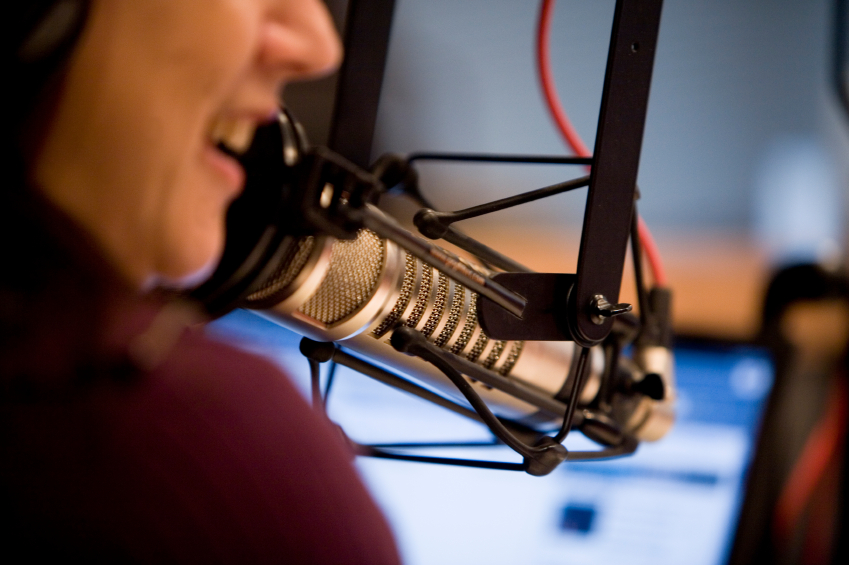
The power of audio online should not be disregarded. While videos and images are great to watch, there’s also something unique about audio. Listening to it provides a different kind of experience to anybody. It’s similar to listening to an on-demand talk radio but the difference is you can listen to your preferred content at […]
-
Simple Podcast Editing Tips
Not counting the actual podcast content or topic, your listeners’ experience will primarily be determined by the overall sound of your mix. This includes your narration, the background music, stingers, sound effects, and even the ambient noise. This also including the volume levels (use equalizers!) of all the different frequencies of all the tracks you […]
-
Make Your Video Podcast Searchable with Video Sitemaps
Search engines may not be the main channel for getting podcast subscribers, with pretty much everybody relying on iTunes for distribution. However, the traffic that search engines bring cannot be brushed off, because the fact is that millions of people still use search engines everyday to look for information – including podcasts. If you produce […]
-
The Beercast Option
It is the rare individual who takes to podcasting immediately. Sometimes the best way to ease into a new skill is to ask for a little company. Add some alcohol into the mix and what you have is cool and fun way of podcasting that will surely be entertaining and spontaneous. Beercasts are gaining a […]
-
Tips for Using Garage Band to Edit a Podcast
Garage band, Apple’s music recording software package, can be a powerful tool for putting together great podcasts. Here are some tips on doing just that: Make Session Templates Session templates are general parameters that define certain elements of a Garage Band recording session. These types of templates are found in many audio editors and are […]